Personal Review
My take on this trail.
The Loops
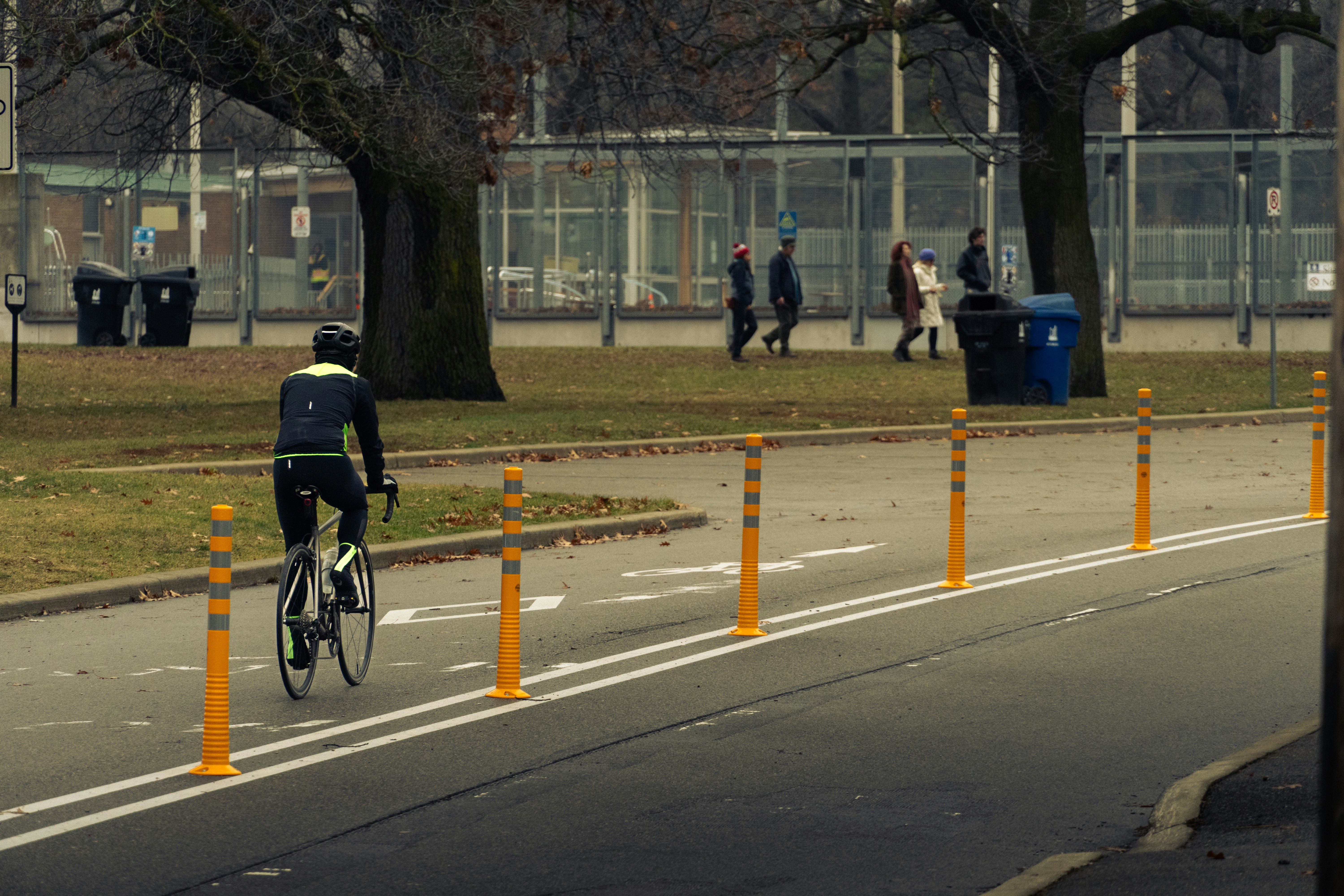
The High Park Loop is a short 1.86 km circuit on smooth paved road inside the park. It's a one-way loop running counter-clockwise, and it's one of the most popular training loops for road cyclists in the city. The terrain is mostly flat with gentle curves through the park. The loop is short and on any given morning you'll see riders doing laps. Watch for cars and pedestrians sharing the road.
The Ellis Loop is longer and harder. About 5.2 km with roughly 50 metres of elevation gain, it takes you outside the park and through the surrounding streets. You climb up Ellis Avenue and Ellis Park Road, switchback onto Olympus Avenue and Harcroft to Bloor, then re-enter High Park from the north and descend south through the park back to Ellis to repeat. The descent is fast. You can hit 50-60 km/h on the downhill sections. It's a popular intermediate training loop, and the climbing is consistent enough to build real fitness on.
The Scenic Tour
If you're not here for the loops, High Park is a big, beautiful green space worth riding through at whatever pace you feel like. There's no fixed route. You just choose a direction and see what you find.
Biking around Hillside Gardens is one of the more notable spots in the park. There's small paved paths that follow the hill with views down over the park with the maple leaf flower bed and Grenadier Pond. Some of the trees in this section are over 150 years old, and it shows in their size.
The High Park Zoo is a short detour off the main paths. It's small, free, and open to the public. Capybaras, peacocks, and other animals behind wire fences. It's a bit basic, but admittedly the capybara is very charming when he's out.
The amphitheatre is one of the more interesting structures in the park. It's a wooden stage in the forest, surrounded by layered stone & grass seating carved into the hillside. During the summer, Canadian Stage runs Shakespeare in the Park performances here. When it's not in use, it's a quiet spot to sit in the middle of the trees. The structure itself is worth seeing regardless of whether anything is playing.
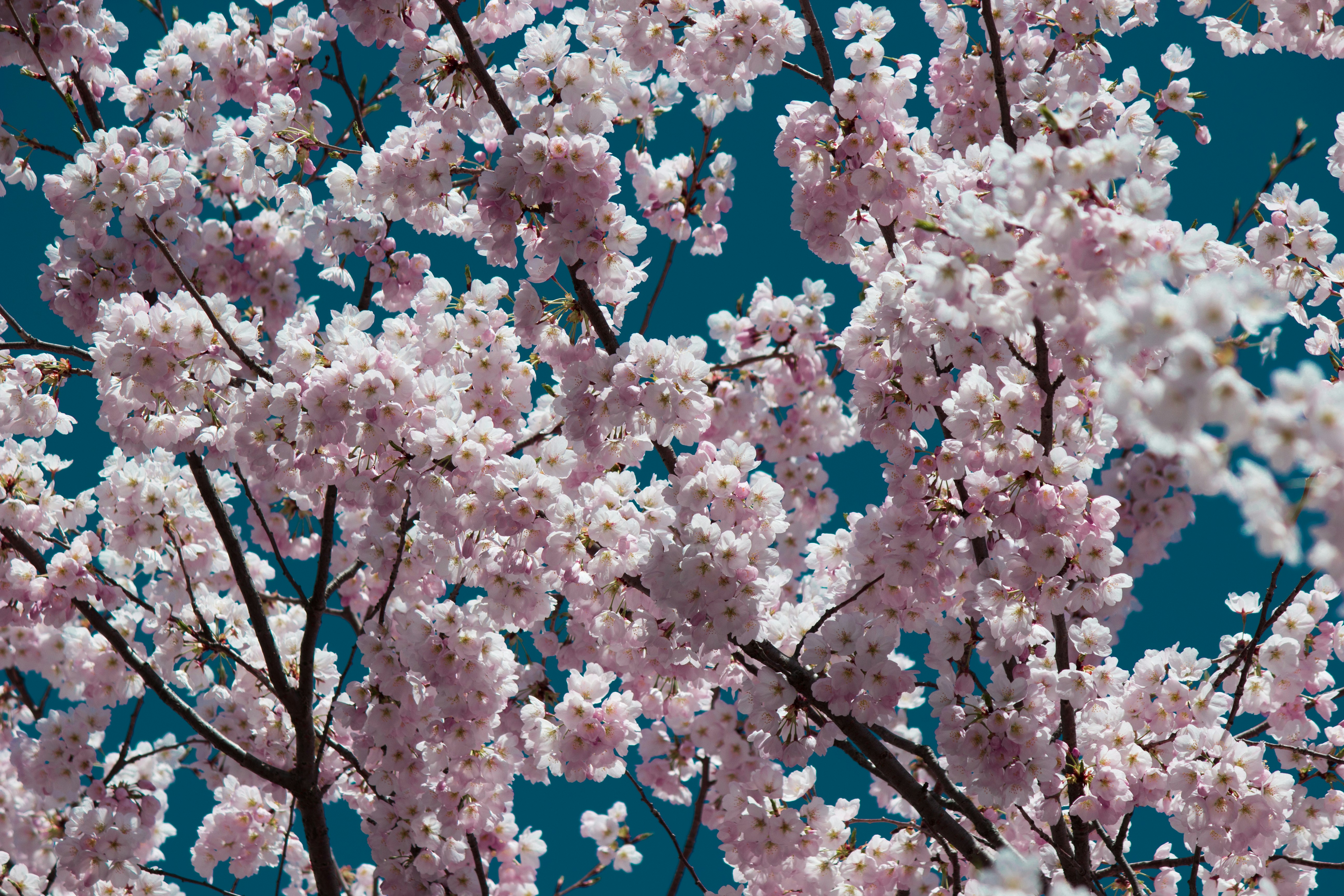
And then there are the cherry blossoms. In late April to early May, the cherry trees in High Park bloom, and the whole area around them becomes one of the most visited spots in the city. The bloom window is short. A few weeks at most, and weather dependent. From late April to early May, the whole park turns pink and it's a seasonal event for Toronto.
Worth Knowing
Setting High Park on Fire
Every spring, the City of Toronto deliberately sets High Park on fire. The park is home to a Black Oak savannah ecosystem, one of the rarest habitats in North America. Less than three percent of the original pre-settlement oak savannah cover remains in Ontario, and High Park contains the most significant patch in the Toronto region.
Before European settlement, Indigenous peoples used controlled burns to maintain these fire-dependent ecosystems. The Black Oak evolved to thrive in fire. Its bark is thick enough to withstand the heat, and the burning clears invasive species while returning nutrients to the soil. The native prairie plants that grow under the oaks germinate better after a burn. The whole system depends on periodic fire to stay healthy.
The city reintroduced prescribed burns in 2000, and they've been an annual event since. The burn carries the Anishinaabemowin name Biinaakzigewok Anishnaabeg, meaning "the responsibility for a cleansing fire by all Native Peoples," given by Elder Henry Pitawanakwat. The flames stay low to the ground, consuming dried leaves and grass stems without harming the larger trees.