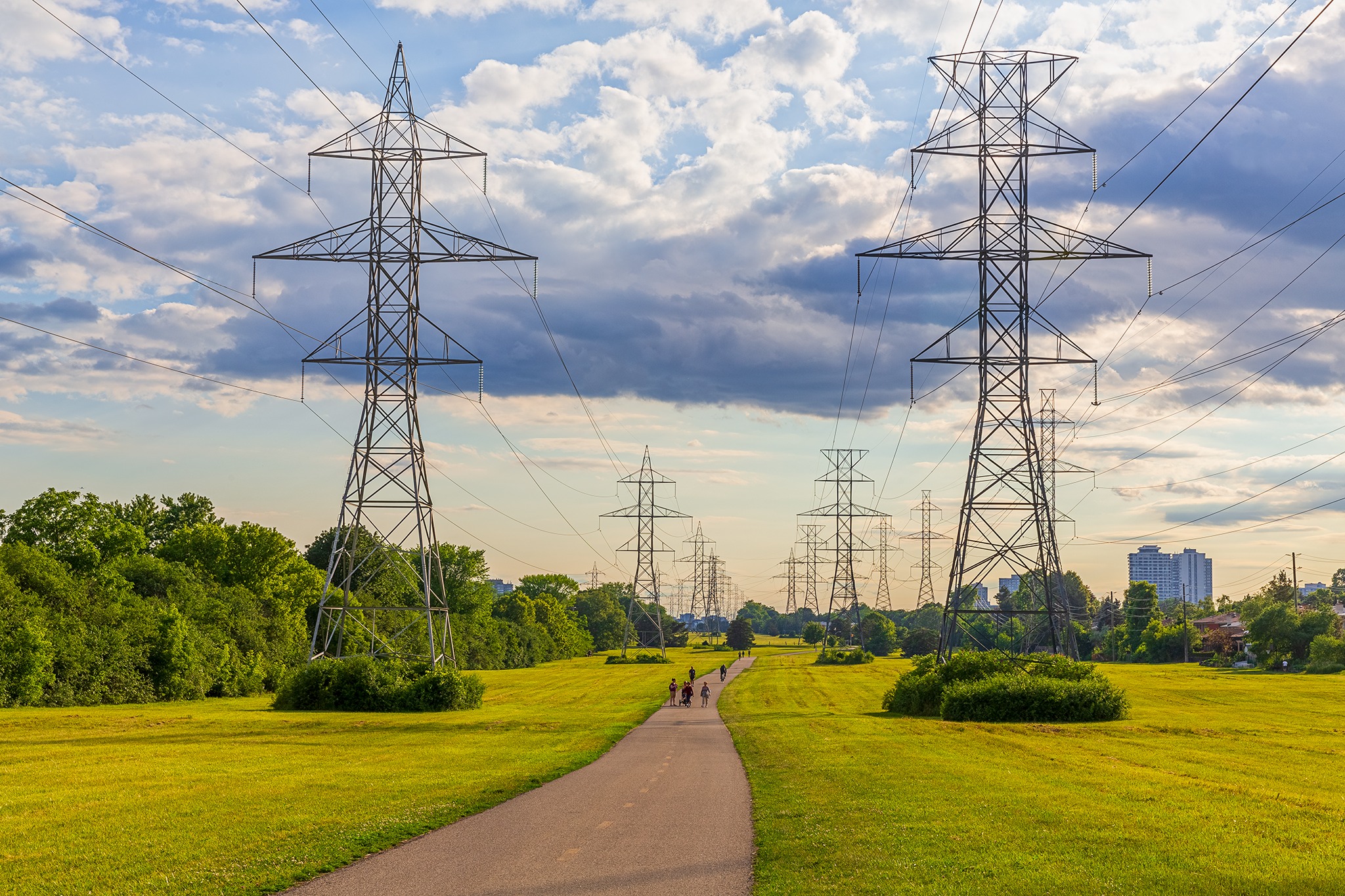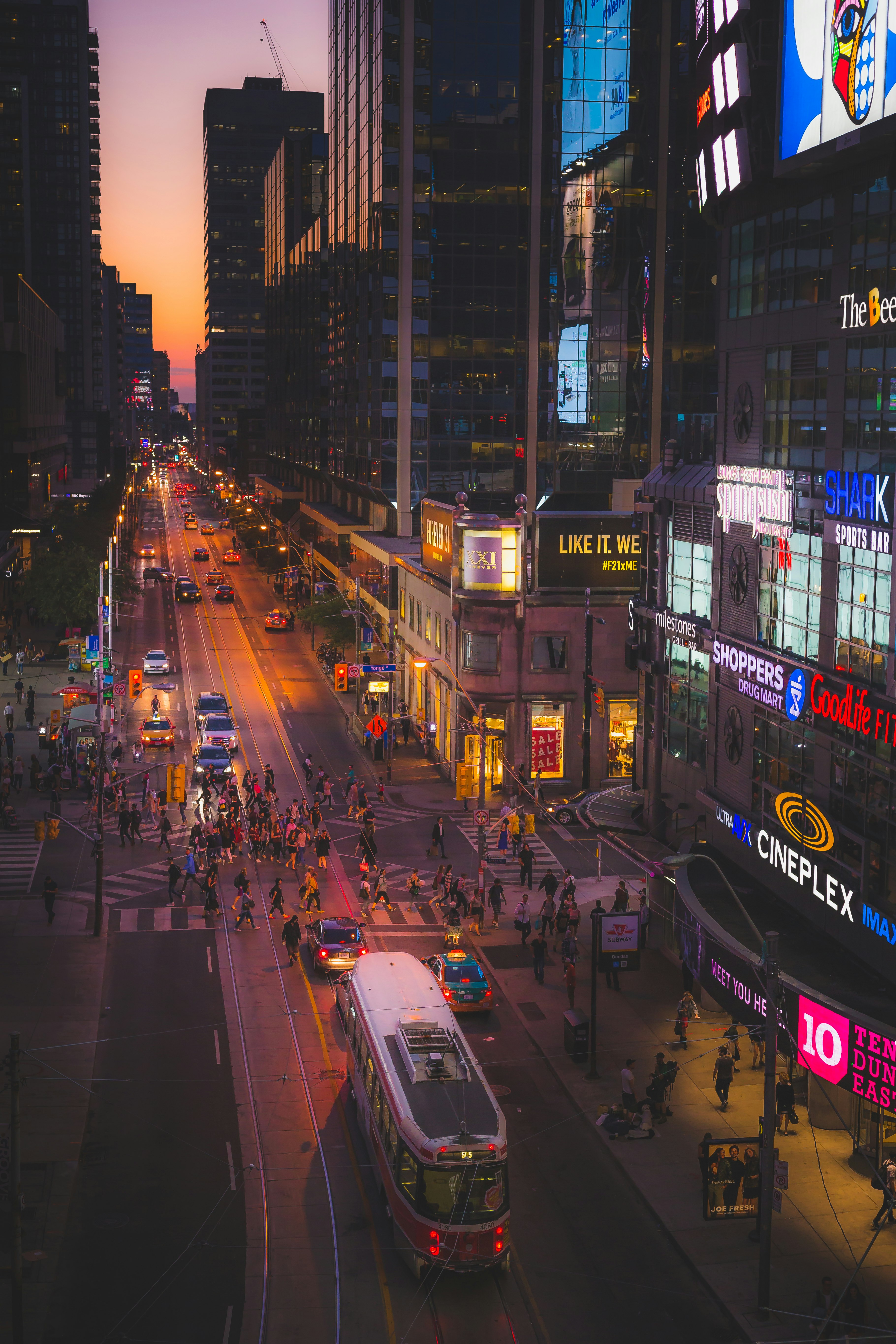
City boulevard at dusk with illuminated street lamps, car light trails, and glowing building windows stretching into the distance

Home / Trails / Yonge Street Ride

Hard

Yonge Street Ride

"Sixteen kilometres down Canada's most famous street. Ride it at dusk. Ride it fast. The city looks completely different from here."

Distance16 km
DifficultyHard
SurfaceRoad
ElevationNet descent
Ride Time1 – 1.5 hrs

Before You Ride

This ride asks something of you first

This is a road ride on one of Toronto's busiest streets. It's not dangerous if you're prepared, but it asks more of you than any trail on this site.

Helmet. Always, but especially here.

Lights. Front and rear. If you're riding at dusk or night, you need to be seen.

Road riding experience. This ride involves sharing lanes with cars, taking the lane when necessary, navigating intersections, and managing a significant descent at speed. If you haven't ridden confidently in traffic before, build that experience on quieter roads first.

The riders who do this ride prepared, come back for it again. It's worth doing right.

Find the ride.

Yonge Street runs straight south from Finch to the lake. 16 kilometres, one street.

The practical stuff.

16 km of city road from Finch to the lake. Subway access at both ends. Ride it south for the descent.

Route & Access

Start at Yonge and Finch. Subway access at Finch station on the Yonge line makes this easy to reach without a car. The ride runs south along Yonge Street the entire way, finishing at Queens Quay at the waterfront. Ride north to south for the net downhill advantage as the elevation drops significantly from Finch to the core. Return via TTC: Yonge line subway from Union Station back to Finch, a straightforward 30-minute ride.

Bike Rental & Setup

Bike Share stations line Yonge Street for most of this route, so picking one up is genuinely viable, but a road bike or fast hybrid is still the better experience. This is pavement the entire way and a lighter, faster bike makes the most of the descents. Check your brakes before attempting the Sheppard-to-York-Mills descent. Front and rear lights are essential if riding at dusk or night. Bring water, though convenience stores and cafés appear constantly along Yonge Street if you need a stop.

Best Time to Ride

Dusk to night is the recommendation. The street lamps come on, the skyscrapers light up window by window, and the whole ride shifts into something different from a daytime run. That said, the ride is doable any time of day. Early Sunday morning offers the lightest traffic if you want the route without the urban intensity. Rush hour is not recommended. Yonge Street at 5pm is a considerably less enjoyable experience.

What to Expect

A mix of dedicated bike lanes and shared road sections. Infrastructure varies by block and has improved in recent years but remains inconsistent. Be prepared to take the lane when necessary. Traffic is heavier in the core and lighter in the northern residential stretches. The descent between Sheppard and York Mills is a technically demanding sectio – control your speed and know your braking distance. The waterfront finish at Queens Quay is genuinely satisfying after 16 km of city riding.

My take on this ride.

Ride It at Night

You can ride Yonge Street any time of day. You should ride it at dusk.

What changes at that hour is everything. The light drops. The street lamps come on one by one, illuminating the roads in long amber corridors. The sky goes to that colour between blue and black above the rooflines, and the city shifts into a different breathing pattern. Daytime Toronto moves with purpose – commuters, errands, the transactional energy of a city getting things done. At dusk, the rhythm changes. The urgency drains out and something else replaces it. The working day ends and you can feel the people around you breaking off the tension of the daily grind, spilling out of office buildings, settling into patios, the city's evening self emerging around you.

At night, Yonge Street is a different city. The daytime version is busy and ordinary. The dusk version is cinematic.

Sixteen Kilometres of Toronto

Yonge and Finch. You hop on your bike. The ride stretches south, 16 kilometres of city waiting to reveal itself. Korean restaurants, the particular energy of North York's Koreatown, the smell of grilled meat and kimchi-jjigae drifting from open doors. The city feels alive here. There's wide intersections, crowds of people buzzing about, and restaurants everywhere.

Then the descent. Sheppard to York Mills. The road drops away beneath you, not a gradual slope but a sustained, committed descent that builds speed faster than you expect. Cars exiting the 401 Highway in awe as you match their speed. Your hands find the brakes, and you hold them for dear life. This is the moment the ride becomes thrilling.

Midtown. Lawrence to Eglinton. This is the quaint, human-scaled section – independent shops, cafés with patio chairs on the sidewalk, the neighbourhood feeling of a city that still has neighbourhoods. Yonge Street narrows slightly here, feels more intimate. It's a gentle reminder that Toronto, for all its ambition, is still assembled from small pieces.

As you enter the core, the buildings get taller. The streets get busier. Somewhere around Bloor, Toronto stops feeling like a city and starts feeling like a downtown. The downhill element lets you cruise through and take in the scene. Dundas Square at night is sensory overload in the best way. The energy is different here. Faster, louder, more concentrated. You're not passing through neighbourhoods anymore. You're inside the machine.

And then the finish. Queens Quay. The lake opens up ahead of you, flat and dark if you're riding at dusk, the city stacked behind you, and the particular satisfaction of having crossed it entirely on two wheels. The land runs out. The ride is over. You've been everywhere.

Worth Knowing

There's a subway running beneath you right now

Canada's first subway line opened beneath Yonge Street in 1954. It runs directly under the road for most of this ride, Finch to Union, the same corridor, the same direction. While you're above ground at night moving through street lamps and lit windows, there's a train making the same journey underneath you in the dark.

The subway gets you there in 30 minutes. The bike takes an hour and shows you every metre of what the subway skips.
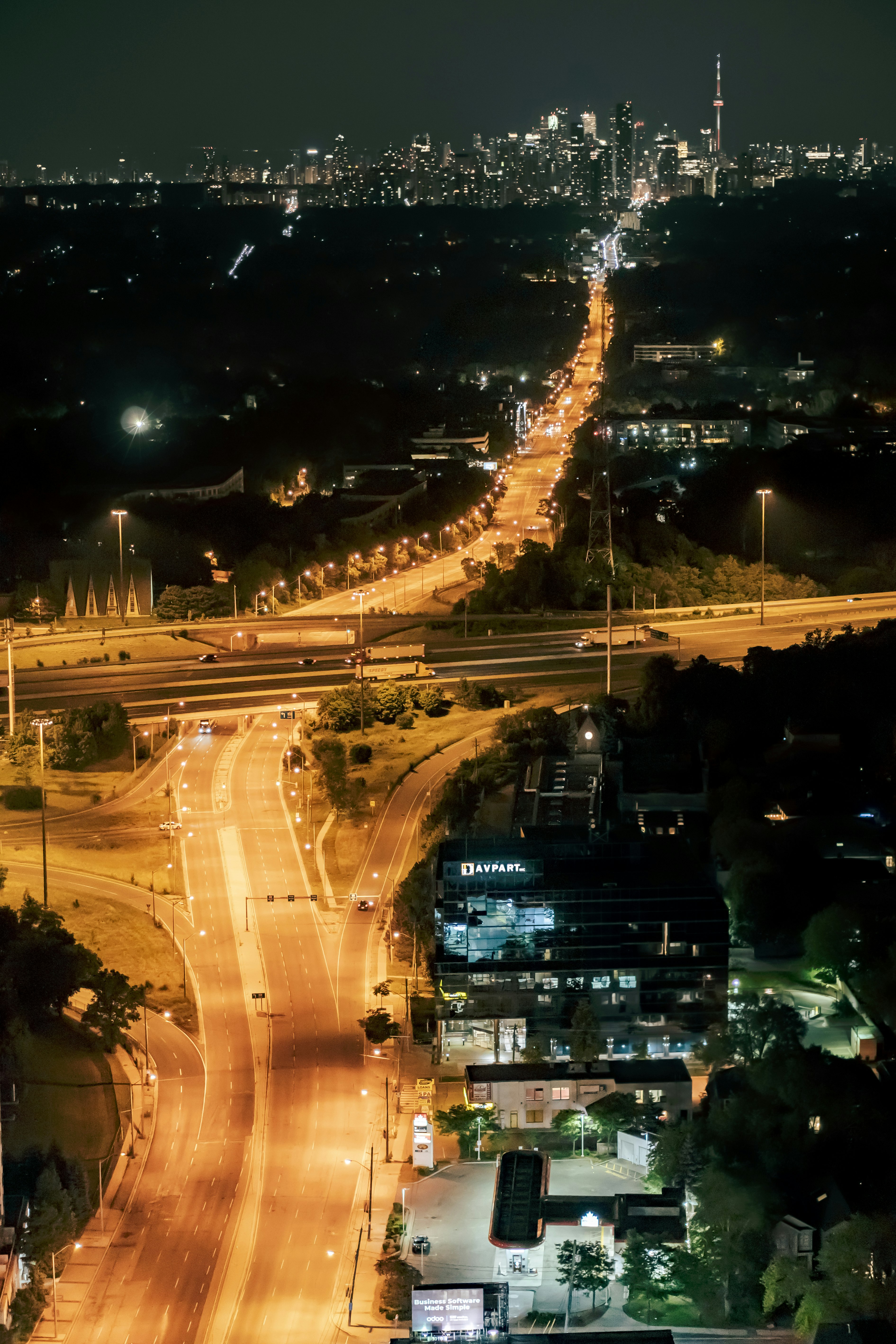
City boulevard at night with illuminated buildings, street lamps casting amber light, and the glow of a downtown skyline
Yonge Street and 401 – get ready for the descent, the ride's about to get real interesting.

My Rating

"This ride rewards experienced riders who are comfortable in traffic and want to experience Toronto at its most urban and alive. The nighttime energy is something no trail can replicate. If you're ready for it, there's nothing else like it."

Keep riding.

Trails that connect to the northern start or the southern finish of the Yonge Street Ride.

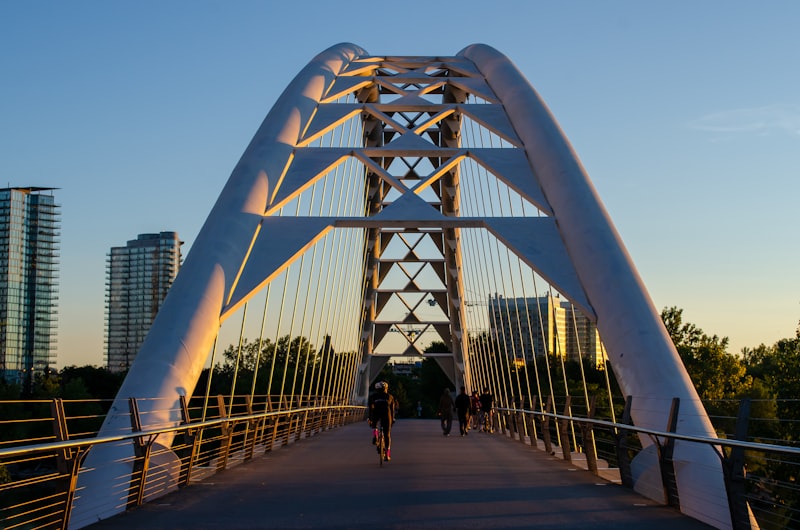
Cyclist riding across the Humber Bay Arch Bridge in Toronto during sunrise Moderate
22 km·Paved·Year-round

Martin Goodman Trail

The natural continuation at the southern end. Hit the waterfront and ride as far as you want.

Gravel trail with trees Easy
9 km·Mixed·Year-round

Beltline Trail

Branches off midtown. A shaded, historic alternative when you want something quieter.